Business Waste Removal in Canary Wharf
Introduction to Business Waste Removal

Efficient waste management is a critical component for businesses operating in Canary Wharf. As one of London's major financial districts, Canary Wharf hosts a myriad of businesses that generate significant waste daily. Proper waste removal not only ensures compliance with local regulations but also promotes a sustainable and healthy working environment.
Implementing an effective waste removal strategy can lead to cost savings, improved operational efficiency, and enhanced corporate image. Businesses in Canary Wharf need reliable waste removal services to handle everything from office paper to industrial waste.
Choosing the right waste removal partner involves considering factors like service reliability, environmental impact, and cost-effectiveness. This article explores the essentials of business waste removal in Canary Wharf, offering insights into best practices and available services.
Types of Business Waste
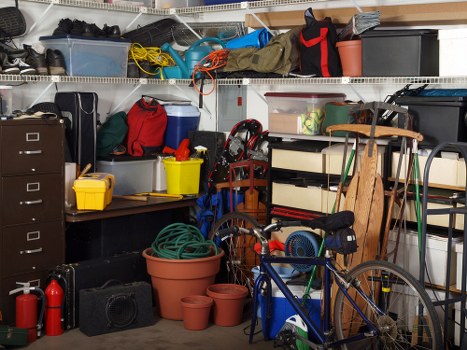
Businesses in Canary Wharf generate various types of waste, each requiring specific handling and disposal methods. Understanding the different categories of waste is the first step towards effective management:
1. General Waste
General waste includes non-recyclable materials like food scraps, packaging, and other everyday items. Proper disposal ensures that these materials do not harm the environment.
2. Recyclable Waste
Recyclable waste consists of materials that can be reprocessed and reused, such as paper, cardboard, glass, and certain plastics. Recycling helps reduce the overall waste footprint of businesses.
3. Hazardous Waste
Hazardous waste includes chemicals, batteries, and electronic waste that require special handling to prevent environmental contamination and ensure safety.
Benefits of Professional Waste Removal Services
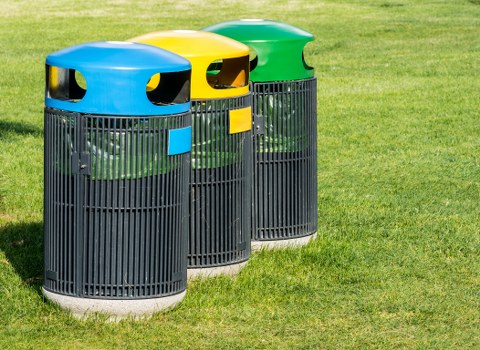
Engaging professional waste removal services offers numerous advantages for businesses in Canary Wharf:
- Compliance: Ensures adherence to local waste disposal regulations and environmental standards.
- Efficiency: Streamlines the waste removal process, saving time and resources.
- Cost-Effective: Reduces costs associated with in-house waste management and potential fines for non-compliance.
- Environmental Responsibility: Promotes sustainable practices through recycling and proper disposal methods.
By leveraging professional services, businesses can focus on their core activities while ensuring that waste management is handled responsibly and efficiently.
Moreover, professional waste removal companies often offer customized solutions tailored to the specific needs of different businesses, enhancing overall operational effectiveness.
Choosing the Right Waste Removal Partner

Selecting an appropriate waste removal partner in Canary Wharf involves evaluating several key factors:
Service Range
Ensure that the waste removal company offers a comprehensive range of services, including regular pickups, recycling programs, and hazardous waste disposal.
Reputation
Research the company's track record, customer reviews, and industry certifications to gauge their reliability and quality of service.
Environmental Practices
Opt for companies that prioritize eco-friendly practices, such as recycling and minimizing landfill waste, to support sustainability goals.
Implementing a Waste Management Plan

Developing a strategic waste management plan is essential for businesses to effectively handle their waste:
- Assessment: Evaluate the types and volumes of waste generated.
- Segregation: Implement a system for separating different waste categories.
- Collection: Schedule regular waste pickups aligned with business operations.
- Recycling: Partner with recycling facilities to process recyclable materials.
- Disposal: Ensure proper disposal of non-recyclable and hazardous waste.
By following these steps, businesses can create an efficient and sustainable waste management system that minimizes environmental impact and enhances operational efficiency.
Regular monitoring and evaluation of the waste management plan ensure continuous improvement and adherence to best practices.
Cost Considerations

Managing waste effectively involves understanding the associated costs and finding ways to optimize expenditures:
- Service Fees: Compare pricing structures of different waste removal services to find the most cost-effective option.
- Recycling Savings: Reduce disposal fees by maximizing recycling efforts and minimizing landfill waste.
- Operational Efficiency: Streamline waste management processes to lower overall costs.
Investing in efficient waste removal services can lead to long-term savings and contribute to a more sustainable business model.
Additionally, some services offer flexible plans that can scale with your business needs, providing financial flexibility and adaptability.
Environmental Impact

Proper waste management plays a significant role in minimizing the environmental footprint of businesses:
Reduction of Landfill Use
Effective recycling and waste reduction strategies decrease the reliance on landfills, preserving natural resources and reducing pollution.
Energy Conservation
Recycling materials often consumes less energy compared to producing new products, contributing to overall energy conservation efforts.
Carbon Footprint
Minimizing waste production and optimizing waste removal processes help lower the carbon emissions associated with waste management.
Compliance and Regulations
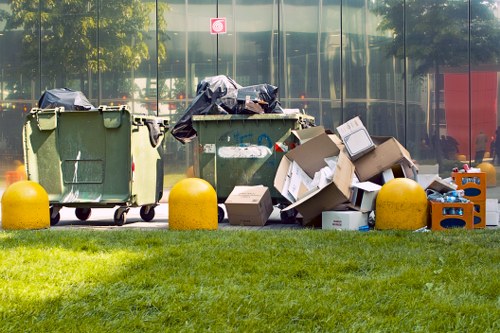
Businesses in Canary Wharf must adhere to local and national waste disposal regulations to avoid penalties and ensure responsible operations:
- Understand the specific waste disposal laws applicable to your industry.
- Maintain accurate records of waste production and disposal activities.
- Regularly review and update waste management practices to stay compliant with changing regulations.
Staying informed about regulatory requirements and partnering with compliant waste removal services ensures that your business operates within legal frameworks.
Non-compliance can result in hefty fines and damage to your business reputation, making adherence to waste disposal laws paramount.
Technology in Waste Management
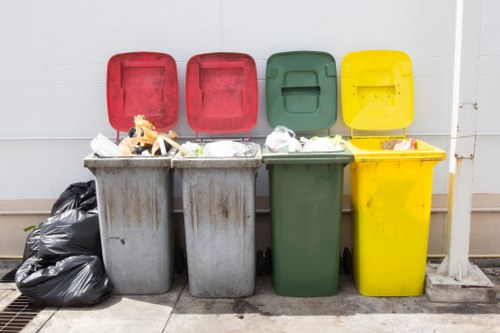
Advancements in technology have revolutionized waste management practices, offering innovative solutions for businesses:
Automated Sorting Systems
Automated systems enhance the efficiency and accuracy of waste sorting, increasing recycling rates and reducing manual labor.
Data Analytics
Utilizing data analytics helps businesses monitor waste generation patterns, enabling informed decision-making and strategy adjustments.
Smart Containers
Smart waste containers equipped with sensors provide real-time information on waste levels, optimizing collection schedules and reducing operational costs.
Case Studies

Examining successful waste management implementations can provide valuable insights for businesses in Canary Wharf:
Company A: Reducing Waste Through Recycling
Company A implemented a comprehensive recycling program, resulting in a 30% reduction in landfill waste and significant cost savings.
Company B: Streamlining Waste Collection
By partnering with a reliable waste removal service, Company B optimized their waste collection schedule, improving operational efficiency and reducing costs.
Company C: Managing Hazardous Waste Safely
Company C adopted specialized hazardous waste removal services, ensuring safe disposal and compliance with environmental regulations.
Future Trends in Waste Removal
[IMG_11]The landscape of waste management is continually evolving, with emerging trends shaping future practices:
- Circular Economy: Emphasizing the reuse and recycling of materials to create a closed-loop system.
- Zero Waste Initiatives: Striving to eliminate waste generation through innovative design and process improvements.
- Green Technology: Incorporating eco-friendly technologies to enhance waste processing and reduce environmental impact.
Staying abreast of these trends enables businesses to adopt forward-thinking waste management strategies that align with sustainability goals.
Integrating these trends can lead to enhanced operational efficiency, reduced costs, and a stronger commitment to environmental stewardship.
Conclusion
[IMG_12]Effective business waste removal is essential for companies operating in Canary Wharf. By understanding the types of waste, leveraging professional services, and implementing strategic waste management plans, businesses can achieve compliance, cost savings, and environmental sustainability.
Investing in reliable waste removal services not only enhances operational efficiency but also reinforces a company's commitment to responsible environmental practices.
Contact us today to learn how our business waste removal services in Canary Wharf can help your company thrive sustainably.