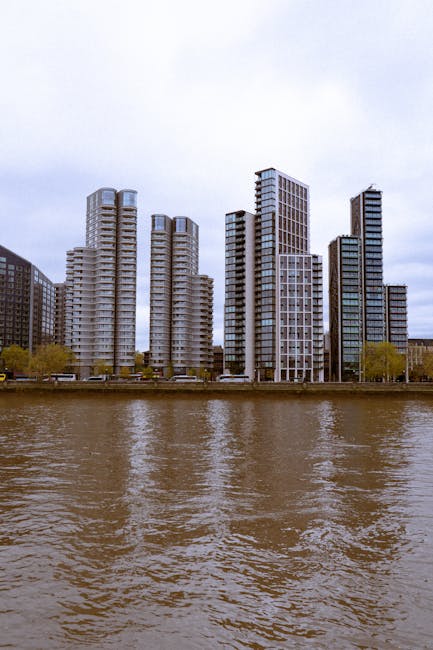
West India Quay rubbish clearance what flats need to know
If you live in, manage, or let a flat around West India Quay, rubbish clearance can feel straightforward right up until it isn't. One missed bin day, one oversized sofa in the corridor, one builder's sack left beside the lift, and suddenly the whole building feels untidy. In a place with busy shared entrances, concierge desks, underground parking, and tight access, the details matter more than people think.
This guide explains West India Quay rubbish clearance what flats need to know in plain English. You'll learn how flat-based clearance usually works, what residents and landlords should check, how to avoid annoying delays, and which approach makes sense for everything from a small declutter to a full flat clear-out. Truth be told, most problems are avoidable once you know the building rules and the practical bits that never quite make it into the noticeboard email.
We'll also cover sensible compliance points, common mistakes, and a simple checklist you can actually use. If you're comparing services more broadly, it can help to look at related guidance such as house clearance, rubbish removal, and same day rubbish removal so you can match the service to the job, not just the headline price.
Table of Contents
- Why West India Quay rubbish clearance what flats need to know Matters
- How West India Quay rubbish clearance what flats need to know Works
- Key Benefits and Practical Advantages
- Who This Is For and When It Makes Sense
- Step-by-Step Guidance
- Expert Tips for Better Results
- Common Mistakes to Avoid
- Tools, Resources and Recommendations
- Law, Compliance, Standards, or Best Practice
- Options, Methods, or Comparison Table
- Case Study or Real-World Example
- Practical Checklist
- Conclusion
- Frequently Asked Questions
Why West India Quay rubbish clearance what flats need to know Matters
Flat clearance in West India Quay is not the same as clearing a house in a quieter suburban street. In a block of apartments, rubbish has to move through shared spaces, lifts, service corridors, loading bays, and sometimes concierge-controlled access. That means timing, building rules, and neighbour consideration matter just as much as the clearance itself.
West India Quay has a very specific rhythm. People come and go at different hours, deliveries can stack up, and communal areas are often kept to a high standard. Leaving items in the wrong place, even briefly, can create friction fast. One missed mattress collection can become three emails from management and a slightly awkward lift ride the next morning. Not ideal.
This is why the phrase what flats need to know really matters. It's not just about getting rid of junk. It's about doing it without causing disruption, without breaching building rules, and without paying more than you need to because the job was planned badly.
There's also a practical side. Flats often have less storage space, more shared responsibility, and stricter access arrangements than standalone homes. If you're clearing after a tenancy change, a renovation, or a long-overdue declutter, the process tends to go smoother when you understand the building environment first, then choose the right removal method second.
How West India Quay rubbish clearance what flats need to know Works
At a basic level, rubbish clearance for flats means collecting unwanted items from an apartment, common area, storage cupboard, balcony, or designated loading point and removing them safely and legally. In practice, the exact process depends on what needs clearing and how the building is set up.
Most clearances around West India Quay follow a pattern like this:
- You identify what needs removing: general rubbish, bagged waste, furniture, appliances, or mixed items.
- You check building rules for access times, parking, lift booking, and where items can be left.
- The clearance team assesses the volume, access, and any heavy or awkward items.
- Items are removed from the flat or agreed collection point and loaded for disposal, reuse, or recycling where appropriate.
- The area is left tidy, with attention to communal spaces and any waste that may have escaped during moving.
That sounds simple, and sometimes it is. But flats add layers: narrow hallways, neighbours working from home, service lifts, concierge sign-in, and restrictions on noise or timing. If a building has a management office, you may need to book access or notify them in advance. If you don't, the team may arrive ready to work and then spend half the job waiting at reception. A bit of a nuisance, really.
If your job is a broader property clearance rather than a one-off bag collection, you may also want to review commercial rubbish removal for landlord or agent-led projects, or office clearance if the flat forms part of a mixed-use or live-work setup. Different settings, different logistics.
Key Benefits and Practical Advantages
Good rubbish clearance does more than empty a space. For flats, the value is partly operational and partly social. It keeps the building usable, reduces stress, and helps avoid complaints from neighbours or management.
Here are the main advantages:
- Less disruption in shared areas - items are removed in one organised visit instead of drifting through hallways for days.
- Better access and safety - bulky waste in a corridor is not just untidy, it can be a trip hazard.
- Faster turnaround for landlords and agents - especially when a flat needs to be re-let quickly.
- Cleaner compliance with building rules - many blocks have firm expectations about communal storage and bin use.
- Less stress for residents - you avoid the stop-start hassle of trying to move awkward items on your own.
- Smarter disposal handling - an experienced team can separate recyclable items and treat certain waste streams properly.
There's also a quieter benefit: peace of mind. It sounds soft, but if you've ever spent a Sunday afternoon trying to drag an old wardrobe down a lift while the door keeps closing on you, you'll know what I mean. Sometimes the real win is simply not having to do the awkward bit yourself.
For residents comparing alternatives, the right service may depend on the volume and urgency. A single mattress might only need a targeted collection, while a full flat clear-out may be better handled as a broader flat clearance or even a deeper loft clearance if the property has stored items tucked away over time.
Who This Is For and When It Makes Sense
West India Quay rubbish clearance is relevant to a wider group than people sometimes assume. It is not only for tenants moving out with a pile of unwanted furniture. It can help in many ordinary situations.
- Tenants clearing a flat before checkout.
- Landlords dealing with abandoned items after a tenancy ends.
- Letting agents preparing a property between occupancies.
- Homeowners decluttering before renovation or sale.
- Block managers handling bulky waste or communal overspill.
- Developers or contractors removing non-hazardous waste from a refurb project.
It makes sense when the job is too bulky, too messy, or too inconvenient for normal bin collections. It also makes sense when time is tight. If keys need to be handed back by Tuesday morning and there's still a sofa, two broken chairs, and a box of mixed bits in the hallway, you probably don't want to improvise.
Another useful rule of thumb: if the items would take multiple trips, need a van, or may not fit through the lift comfortably, professional clearance is usually the cleaner option. Not glamorous. Just practical.
Step-by-Step Guidance
If you want the process to run smoothly, start with the flat itself, not the van. Small prep work makes a big difference.
1. Walk through the flat and separate waste types
Make three rough piles: keep, donate/reuse, and clear. You do not need to overthink it. The aim is simply to stop useful items getting mixed up with broken or dirty waste. A quick scan through cupboards, wardrobes, balconies, and under-bed storage often reveals more than people expect.
2. Check the building rules
Find out whether you need permission for loading bay access, lift booking, or timed collections. Some blocks are relaxed. Others are quite specific. In a managed building, a short email or phone call can save a lot of hassle later. If your block has a concierge, let them know what day the work is happening.
3. Measure awkward items
Sofas, wardrobes, mattresses, and white goods are where assumptions go wrong. Measure if needed, especially if the building has narrow access routes or a tight lift. Better to know now than discover that a wardrobe needs to be dismantled at the last minute.
4. Photograph anything unusual
If the job includes damaged appliances, heavy furniture, or a large amount of mixed rubbish, photos help the clearance team give a more accurate estimate. They also reduce confusion about what is included. Simple, but useful.
5. Clear a path
Make sure the route from the items to the exit is free of hazards. Move shoes, bags, toys, recycling, and anything else that may get in the way. In flats, the difference between a tidy route and a cluttered one can be a few minutes, but those minutes matter.
6. Confirm timing and access
Agree a collection window that works with the building. If possible, avoid peak commuting times, school-run traffic, or the sort of early-morning window when everyone is half awake and suspicious of any noise in the corridor.
7. Decide what happens to sensitive items
Paperwork, devices, storage drives, and personal documents should be sorted in advance. Do not leave this to the last moment. If there are confidential items, keep them separate and handle them carefully.
8. Stay available for clarification
Sometimes the clearance team will spot something that needs a quick decision. A broken table with a salvageable top, for example, or a box that looks like rubbish but contains useful cables. A short response can keep everything moving.
That's the whole flow, really. Nothing dramatic. But done properly, it saves time, money, and a lot of small headaches.
Expert Tips for Better Results
If you want a cleaner, smoother clearance in a flat setting, the following habits tend to make the biggest difference.
- Book with the building in mind. The best clearance slot is not always the earliest one. It is the one that matches access, lift usage, and neighbour traffic.
- Separate reusable items first. It can reduce waste volume and keep the job more efficient.
- Group items by room. This makes it easier to check nothing has been missed.
- Keep hallways clear until collection day. A small pile can quickly become a fire-safety nuisance in a shared block.
- Tell the team about stairs, parking, or long carries. Underestimating access is one of the classic mistakes.
- Use clear labels for anything staying behind. Especially in shared homes or furnished rentals.
One more thing, and this comes up surprisingly often: if there are two or more people involved, appoint one person to make the call on what goes and what stays. Without that, you can end up in the old "I thought you wanted that" loop. Nobody needs that at 7:30 in the morning.
If you're dealing with repeat removals rather than a one-off clear-out, it may also help to look at waste clearance options and, where needed, broader support such as shed clearance for ancillary storage areas that often get forgotten.
Common Mistakes to Avoid
Most flat clearance issues are not complicated. They are just avoidable. A few small errors can turn an easy job into a messy one.
- Leaving items in communal areas too early - this can annoy neighbours and may breach building rules.
- Not checking lift or access restrictions - especially in managed apartment blocks.
- Assuming one van size fits every job - flat clearances vary wildly in volume.
- Forgetting about parking - in a busy part of London, a blocked unloading spot can cause delay fast.
- Mixing hazardous or specialist items with general rubbish - these need separate handling.
- Not telling the team about heavy items - pianos, large wardrobes, and old appliances need planning.
- Choosing only by cheapest quote - if the price looks unrealistically low, ask what is actually included.
There is a difference between getting a bargain and getting a surprise invoice. Small one, but a very real one.
Another easy miss is timing. A collection arranged for a busy weekday morning can be perfectly fine in one building and a headache in another. If your block is quiet after 2pm, well, use that. If there's a school nearby or a concierge handover window, plan around it.
Tools, Resources and Recommendations
You do not need a van load of kit to prepare for a flat clearance, but a few simple tools make the process smoother.
- Boxes or reusable bags for sorting items into keep, donate, and clear piles.
- Tape and labels to mark items that must remain.
- Measuring tape for large furniture and tight access points.
- Phone camera for photos of bulky or unusual waste.
- Gloves if you are moving small loose items before collection.
- A simple inventory note if multiple people are involved.
For larger jobs, a brief written list helps avoid confusion. It does not have to be fancy. A note in your phone is often enough. Item lists also help when comparing clearance quotes because they give a clearer picture of what needs removing.
If you are deciding between a one-off pickup and a full property clear-out, a related service such as furniture removal can be useful for bulky pieces, while appliance removal may suit white goods that need separate handling. The point is simple: match the service to the material.
Law, Compliance, Standards, or Best Practice
For flats in West India Quay, compliance is mostly about sensible waste handling, building rules, and not creating avoidable problems in shared spaces. Exact requirements can vary depending on the property, the managing agent, and the type of waste involved.
Some general best-practice principles apply:
- Do not block fire exits, stairwells, or corridors with rubbish.
- Keep within agreed collection arrangements for loading bays, concierge access, and visitor parking.
- Separate specialist items where the waste stream needs different handling.
- Use a responsible clearance provider that can explain how items will be dealt with.
- Check tenant, landlord, or management responsibilities if the job is linked to a tenancy change or property handover.
It's wise to be careful with anything that could be classed as hazardous, sharp, or electrically risky. If you are unsure, ask before the job begins. That is not over-cautious; that is just sensible. The same goes for building management rules. They can feel a bit fussy at times, but there's usually a reason behind them.
Where a clearance involves larger quantities, mixed materials, or commercial-style waste, it can help to treat the job more formally: item list, access confirmation, disposal plan, and a clear point of contact. That simple structure often prevents the messy back-and-forth that slows everything down.
Options, Methods, or Comparison Table
There are a few common ways to deal with rubbish from a flat. The best choice depends on volume, urgency, and how much access friction you are willing to tolerate.
| Method | Best for | Pros | Cons |
|---|---|---|---|
| Self-clearance | Very small amounts of bagged waste | Can be cheap if you already have transport | Time-consuming, awkward for bulky items, limited by building access |
| Ad hoc council-style disposal | Occasional items where permitted | May suit some routine waste needs | Often not suitable for furniture, mixed loads, or urgent move-outs |
| Professional rubbish clearance | Mixed waste, bulky items, flat clear-outs | Fast, organised, better for shared buildings | Cost depends on volume and access |
| Full flat clearance | End-of-tenancy, probate, renovation, major declutter | Most comprehensive option, less hassle | Requires more planning and clear instructions |
As a rule, the more cumbersome the items and the more complicated the access, the more attractive professional clearance becomes. A ground-floor flat with a clear path is one thing. A seventh-floor apartment with one service lift and limited parking is another entirely.
Case Study or Real-World Example
Here's a realistic example from the sort of situation that crops up all the time.
A tenant in a West India Quay apartment was moving out at the end of the month and had a mix of items left behind: a bedside table, two broken dining chairs, a mattress, several bin bags, and a small appliance. Nothing dramatic, just the kind of half-finished move that happens when time runs short and boxes get more optimistic than practical.
The first issue was access. The building required prior notice for collections, and the lift booking window was limited to a quiet period in the afternoon. The second issue was sorting. A few reusable items were mixed in with general rubbish, which could have led to wasted space in the van. The third issue was hallway congestion. If the items had been left outside the flat overnight, it would have caused problems with the building's shared access route.
The solution was simple but disciplined:
- Items were sorted into keep, dispose, and donate piles.
- The collection was arranged for the approved access window.
- The path from flat to lift was kept clear.
- Only agreed items were handed over, avoiding confusion on the day.
The job was completed without complaints, without last-minute stairwell drama, and without a second trip. That is usually what people want, to be fair. Clean exit, no fuss, no awkward emails afterwards.
Practical Checklist
Use this checklist before collection day. It keeps the process neat and cuts down on surprises.
- Have you checked the building's access rules?
- Have you confirmed the lift, loading bay, or parking arrangements?
- Have you separated items to keep, donate, and clear?
- Have you identified any heavy, sharp, or specialist items?
- Have you measured large furniture if access is tight?
- Have you cleared the route from the flat to the exit?
- Have you removed personal documents and valuables?
- Have you told the concierge or managing agent, if needed?
- Have you agreed the collection window clearly?
- Have you asked for clarification on anything unusual?
Practical summary: the best rubbish clearance in a flat is the one that respects the building, the neighbours, and the clock. Get those three things right, and the rest usually falls into place.
Conclusion
West India Quay rubbish clearance for flats is really about planning well, moving carefully, and understanding how apartment buildings work. The waste itself is only part of the job. Access, timing, shared spaces, and building etiquette matter just as much, sometimes more.
If you are a tenant, landlord, agent, or homeowner, the smartest approach is to sort the items first, check the building rules next, and then choose the clearance method that fits the volume and urgency. That keeps the process calm, predictable, and far less stressful than trying to wing it on the day.
And honestly, that is the goal here: a clear flat, a tidy block, and one less thing hanging over your head.
If your flat needs a quick, organised clearance and you want the job handled without the usual faff, start by comparing the practical options and choose the service that fits your access and timeline.
Get a free quote today and see how much you can save.
Frequently Asked Questions
What does rubbish clearance for flats in West India Quay usually include?
It usually includes the removal of general rubbish, bagged waste, furniture, and other non-hazardous household items from a flat or agreed collection point. Exact inclusions vary by provider and by the access rules in your building.
Do I need permission from building management before a flat clearance?
Often, yes. Many apartment blocks have access rules for lifts, loading bays, parking, and collection times. It is best to check with the concierge, management company, or landlord before booking.
Can bulky items like sofas and mattresses be taken from apartments?
Usually, yes, as long as access is safe and the items can be moved without damaging the building. It helps to measure awkward items in advance and mention anything especially heavy or hard to manoeuvre.
What should I do with personal documents before rubbish clearance?
Remove them yourself and keep them separate. Anything confidential should be sorted before collection day, not left mixed with general waste. That is one of those tiny jobs that saves big headaches later.
Is same-day rubbish clearance possible for flats?
Sometimes it is, especially for straightforward jobs with easy access. But same-day work depends on availability, the amount of waste, and building access. If timing is tight, ask early.
How do I know whether I need flat clearance or simple rubbish removal?
If you only have a few bags or a small amount of waste, simple rubbish removal may be enough. If the flat needs several items removed, or the job involves multiple rooms or heavy furniture, flat clearance is often the better fit.
What if the flat is on a high floor with limited lift access?
Tell the provider in advance. High floors, small lifts, and narrow corridors can change how a job is planned. Good access information helps avoid delays and extra charges.
Can rubbish be left in the communal hallway before collection?
Usually not for long, and sometimes not at all. Shared hallways are often covered by building rules and may need to stay completely clear for safety and appearance. Check first, because this is where people get caught out.
What kinds of items need special handling?
Items that may be hazardous, sharp, heavy, or electrically risky can need separate attention. If you are unsure about something, ask before the collection rather than assuming it can go with general waste.
How can I get a more accurate quote for a flat clearance?
Provide a list of items, rough photos if helpful, floor level, access details, parking options, and any restrictions from the building. The clearer the information, the more accurate the quote tends to be.
Will the clearance team tidy up afterwards?
They should leave the area clear and remove the agreed items, but the exact level of tidying depends on the service and the condition of the flat. If you need a more thorough clear-up, say so before booking.
What is the biggest mistake flats make with rubbish clearance?
The biggest one is underestimating access and timing. People often focus on the rubbish itself and forget the building rules, lift booking, parking, and neighbour impact. That's where the trouble starts, usually in small annoying ways.