Same day rubbish delays near Canary Wharf station who to call
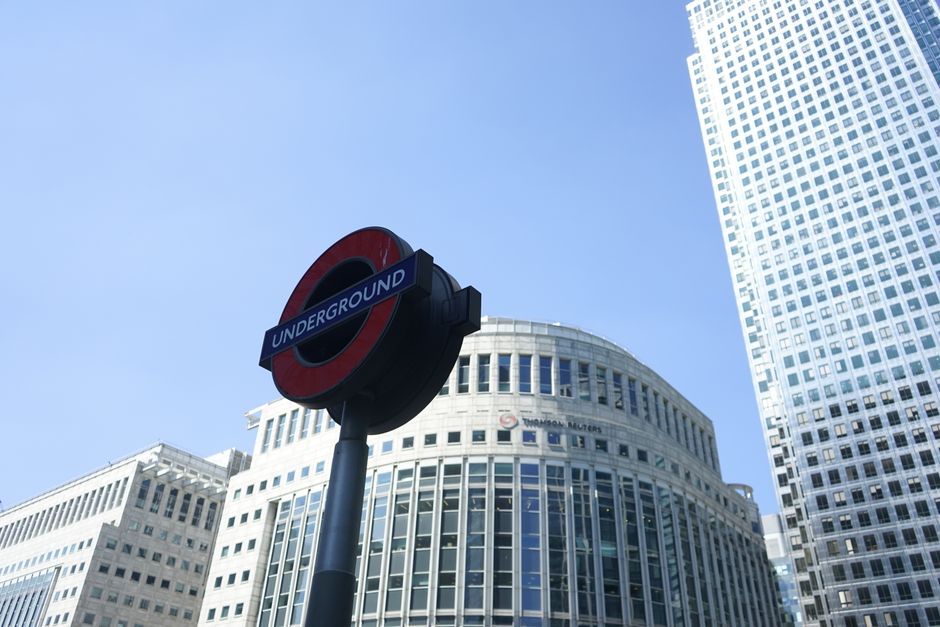
If you are dealing with same day rubbish delays near Canary Wharf station who to call, you usually need two things at once: speed and certainty. The skip is in the way, the flat is piling up, the office move is running late, or a builder is waiting around with nothing to do. It is annoying, and to be fair, it can throw an entire day off track.
This guide explains who to call, what information to have ready, how same-day rubbish removal normally works around Canary Wharf, and what to do if the delay is caused by access, traffic, loading restrictions, or a missed slot. The aim is simple: help you make the right call quickly, without the usual faff.
In practice, the best option is often the company already handling the collection, followed by the site contact, building management, or concierge if access is the issue. But there are a few exceptions, and knowing the difference can save you a couple of stressful phone calls.
Quick takeaway: if a rubbish collection near Canary Wharf station is delayed, contact the waste provider first, then the person controlling access or the booking details, and keep your notes, photos, and timings handy.
- Need a same-day collection resolved fast?
- Need to understand whether the delay is on your side or theirs?
- Need a backup plan if the load must still go today?
Why Same day rubbish delays near Canary Wharf station who to call Matters
Near Canary Wharf station, timing matters more than most people expect. Roads are busy, loading windows can be tight, and access to apartments, offices, and managed buildings is not always straightforward. So when a rubbish collection runs late, the delay is not just a minor inconvenience. It can mean missed movers, unhappy tenants, or a half-finished clearance sitting in a hallway. Not ideal.
That is why the question of who to call matters so much. Calling the wrong person first wastes precious time. Calling the right person with the right details can often get things moving again in one conversation. In our experience, most delays fall into one of three buckets: vehicle timing, access problems, or booking misunderstandings. Each needs a different response.
There is also a trust angle here. If you are paying for a same-day service, you want to know whether the delay is a normal operational hiccup or a sign the job has not been planned properly. That judgement can be hard to make on the fly, especially when you are standing in a corridor with bags, broken furniture, and someone asking when the van will arrive. Lovely.
For households, delays can hold up a sale, a move, or a landlord inspection. For businesses, the knock-on effects are sharper. A delayed office clearance can slow down contractors, block a fit-out, or leave fire exits cluttered. That is why services such as office clearance and business waste removal often need tighter coordination than a standard household pickup.
There is another reason this topic matters: many people assume the station area is just a generic London location. It is not. Around Canary Wharf, building rules, concierge procedures, and restricted access points can all affect arrival times. If the driver cannot park safely or reach the loading point, the delay may be operational rather than service failure.
Useful rule of thumb: if the collection is late but not cancelled, start with the provider; if the provider says access is the issue, move immediately to building management, concierge, or the person who can clear the route.
How Same day rubbish delays near Canary Wharf station who to call Works
Same-day rubbish collection is usually booked with a narrow arrival window rather than an exact minute. That gives the crew room to manage traffic, previous jobs, and loading conditions. Around Canary Wharf station, that flexibility is often needed. Traffic can be stop-start, nearby works can create congestion, and some buildings have strict arrival or lift-booking rules.
When a delay happens, the process normally works like this:
- The provider checks progress. They may already know the van is late because of traffic, a long previous clearance, or a problem at the earlier job.
- You confirm the booking. The team needs the address, contact name, access instructions, item list, and any building restrictions.
- The cause is identified. Common causes include restricted loading, no one available to let the crew in, unclear parking arrangements, or an underestimated volume of rubbish.
- A revised arrival time is agreed. If the job can still happen that day, you get a new window.
- A fallback is set. If same-day is no longer possible, a sensible provider will tell you quickly so you can decide whether to wait or reschedule.
If the delay is due to access, who to call depends on the building setup. In a managed block, the concierge or building manager is often the quickest fix. In a private house or small office, the problem may be much simpler: a locked gate, a missing key, or a van that cannot pull close enough to load safely.
The practical part is this: the first call should usually go to the company booked for collection. If you need the job completed today, they are the only party who can tell you whether the slot is still live. After that, call whoever can remove the obstacle in front of them.
If the collection is part of a broader clearance, you may also want to check whether other items can be removed in the same visit. For example, combining a delay-sensitive pickup with a furniture clearance or a wider home clearance can make the whole day more efficient, assuming access is sorted. That said, do not try to add extra volume at the last minute unless the provider confirms it. Overpacking a same-day job is one of those mistakes that sounds harmless and then isn't.
Key Benefits and Practical Advantages
When same-day rubbish delays are handled properly, you save more than time. You protect the rest of the day.
- Less downtime: builders, movers, cleaners, and tenants are not left waiting around.
- Better coordination: you can keep building staff, neighbours, and contractors informed with a realistic update.
- Lower stress: you stop guessing and start working with a clear plan.
- Cleaner handover: useful when a property, office, or flat needs to be left empty by a deadline.
- Reduced risk of extra charges: a quick clarification can sometimes avoid a return visit or failed access fee.
There is also a behavioural benefit that people do not talk about enough. Once you know who to call, you stop chasing the wrong answers. That sounds basic, but it matters in busy areas like Canary Wharf where one delayed call can cause three more. A calm, orderly response tends to get a better result than firing off messages to everyone at once.
For landlords, agents, and facilities teams, a clear contact chain also helps keep standards consistent. The same applies if you are managing commercial waste in the area and need a dependable route to escalation rather than a vague promise that someone will "look into it."
If the delay is about rubbish that is already stacked and waiting, it may be worth confirming whether the provider offers direct collection options such as waste removal or a more focused service like builders waste clearance. Different job types need different vehicles, handling, and time estimates. That matters more than people think.
Who This Is For and When It Makes Sense
This advice is for anyone dealing with a time-sensitive rubbish pickup near Canary Wharf station. That includes households, landlords, tenants, shop managers, office administrators, building managers, and tradespeople. If the collection window is today and something has gone wrong, this is the right playbook.
It makes sense especially when:
- a same-day booking is running late and you need an update fast
- access to a block, basement, service road, or loading bay has become the bottleneck
- you have a hard deadline for moving out, handing over keys, or opening a premises
- the amount of rubbish is larger than expected
- you are unsure whether the issue is with the booking, the access, or the crew's arrival time
It is also useful for smaller, fiddly jobs. A flat clearance in a high-rise building can be trickier than a bigger house job because of lifts, neighbours, and time slots. If you are in that situation, a page like flat clearance may be relevant when planning the broader removal, but on the day the key question is still the same: who is holding the process up, and how do you fix it quickest?
Some people only need one item removed, such as an old sofa, wardrobe, or desk. Others are dealing with a fuller property clearance. Either way, the same logic applies. Keep the job moving by identifying the blocker, not just the symptom. A late van is one thing; a locked service entrance is another.
Truth be told, most readers only care about one thing at this point: how do I get it sorted today? Fair enough. This guide is built around that exact question.
Step-by-Step Guidance
Here is a practical sequence you can follow when a rubbish collection near Canary Wharf station is delayed.
- Call the collection provider first. Ask for the current vehicle status, revised ETA, and whether the job is still scheduled for today. Keep the booking reference handy.
- Confirm the access details. Check the exact pickup point, floor, lift, loading bay, gate code, or concierge process. If anything has changed, say so immediately.
- Tell them what is waiting. Give a clear description of the load: bags, mixed rubbish, furniture, builders' waste, office items, or garden waste. If the load is heavier or larger than expected, say that now, not after the crew arrives.
- Notify the person who can unlock the site. This may be building management, a receptionist, a concierge, a neighbour, or the site supervisor. The earlier they know, the better.
- Check whether you need a revised service type. If the collection turns out to be more than light rubbish, ask whether a broader clearance is more suitable. Sometimes the fastest fix is not to force the wrong service into the day.
- Get the new plan in writing if possible. A text or email confirmation helps avoid crossed wires. It is boring admin, yes, but it saves headaches later.
- Prepare the load while waiting. Separate obvious recyclables, keep access clear, and avoid blocking hallways or fire routes.
If the provider cannot make same day happen, ask one direct question: "Can you still complete this today, or should I plan for the next available slot?" That is a better question than "what's going on?" because it forces a useful answer. Sometimes the answer is reassuring; sometimes it is not. Either way, you know where you stand.
A small practical note: if you are arranging a clearance for a business premises, you may want to review business waste removal before the next booking. It helps set expectations around collection size, access needs, and timing. And honestly, the more specific you are before the day starts, the less drama you get at 3 p.m. when everyone is already tired.
Expert Tips for Better Results
These are the details that usually make the difference between a smooth rescue and a messy delay.
- Give precise access instructions. "Near Canary Wharf" is not enough. State the entrance, nearest landmark, floor, and whether there is a loading bay or concierge desk.
- Share parking realities early. If a van cannot stop outside for long, say so before the booking is confirmed.
- Use photos where helpful. A quick picture of the rubbish pile or access point can be more useful than a paragraph. Not always, but often.
- Keep one contact person in charge. Multiple people giving mixed instructions is a classic way to slow things down. A bit too classic.
- Ask about rescue options. If the team is delayed because they are finishing another job, ask whether a partial arrival or later slot is possible.
- Think in terms of load type. Loose rubbish, bulky furniture, and builders' debris behave differently. Matching the job to the right service is half the battle.
One thing people forget: the best providers are usually happiest when you tell them the awkward bit early. If access is tight, if the lift is booked out, if the office is only open after 5, say it. They can work with awkward. They cannot work with surprises.
For mixed household clutter, a broader service like house clearance can sometimes be easier than trying to patch together several small pickups. And if the issue is a single sofa, broken bed, or old cabinet, then furniture disposal may be the cleaner route. Simple really, once you break it down.
Common Mistakes to Avoid
A few mistakes come up again and again. Some are tiny. Some become expensive.
- Waiting too long to call. If a same-day slot is slipping, early contact gives the provider more room to adjust.
- Calling the wrong person first. If the issue is a live delay, the booking provider should be your first call. Not the landlord, not the neighbour, not three different people in a WhatsApp group.
- Underexplaining access problems. "It should be fine" is not a useful description.
- Overloading the booking. Adding extra rubbish without warning can push the crew out of time or capacity.
- Assuming every delay is a failure. Sometimes traffic, building rules, or a prior emergency job cause a real setback. It is worth distinguishing inconvenience from negligence.
- Not keeping the site clear. Even a good crew can be slowed by blocked hallways, locked lifts, or scattered items.
There is also the problem of vague expectations. If you think "same day" means the exact moment you want it, you are setting yourself up for frustration. More often, it means the collection is scheduled for later that day, subject to route conditions and access. That small difference matters a lot.
Tools, Resources and Recommendations
You do not need fancy systems to handle a rubbish delay well. A few basic tools and habits are enough.
- Phone with good battery: sounds obvious, but it is amazing how often it is nearly dead at the worst moment.
- Booking reference and address: keep these in one message or note.
- Photos of the load and access point: useful for speedier triage.
- A written checklist of building instructions: especially helpful in managed blocks and office buildings.
- One clear backup contact: concierge, receptionist, landlord, or site manager.
If you are planning ahead rather than reacting in the moment, it is worth looking at the provider's pricing approach, insurance information, and how they handle recycling. These are not glamorous topics, but they matter when you want a reliable service rather than a vague promise. Pages such as pricing and quotes, insurance and safety, and recycling and sustainability are sensible places to check before you book again.
If you want to understand the company behind the service, the about us page can be helpful too. Trust is not built on slogans; it is built on clear, boring details that actually help on the day.
Law, Compliance, Standards, or Best Practice
When rubbish is being removed in London, the practical side is only half the picture. The other half is making sure the job is handled responsibly, safely, and in line with normal UK waste-handling expectations. You do not need to become a legal expert, but you should expect the provider to operate sensibly and transparently.
Best practice usually includes the following:
- Proper handling of waste: rubbish should be collected, transported, and processed responsibly.
- Safe access and lifting: crews should not be asked to do risky manoeuvres just to save a few minutes.
- Clear communication: if a job cannot be done on time, the customer should be told promptly.
- Responsible disposal routes: mixed waste, reusable items, and recyclable materials should be separated where possible.
- Transparent terms: the customer should understand what is included, what may change, and what triggers a delay or rebooking.
In buildings near Canary Wharf, compliance is not only about waste. It also involves access rules, fire safety, loading control, and respect for common areas. That means you should avoid leaving waste where it blocks exits or corridors while you wait for a delayed collection. It sounds obvious, but on busy days people do it anyway. Then everyone gets grumpy.
If the delay is tied to a site-specific issue, keep a record of the time, the contact you spoke to, and the revised plan. That is best practice in any managed environment, whether it is a flat, office, or mixed-use building. It helps if there is later confusion, and it keeps things professional.
For more service-specific handling, a targeted page like builders waste clearance is useful when construction debris is the issue, while loft clearance may be the better fit if the problem stems from attic access and bulky stored items. Matching the service to the actual waste is one of the cleanest ways to avoid delay in the first place.
Options, Methods, or Comparison Table
There are usually several ways to deal with a same-day rubbish delay. Which one you choose depends on the cause.
| Option | Best for | Speed | Risk level | Notes |
|---|---|---|---|---|
| Call the booked provider | Late arrival, unclear ETA, live booking issue | High | Low | Usually the first and best call |
| Contact building management or concierge | Access, lift, loading bay, gate, or parking restrictions | High | Low to medium | Useful when the crew cannot physically reach the load |
| Reschedule with same provider | When same-day is no longer realistic | Medium | Low | Best if you still want the same company to finish the job |
| Switch to a different service type | When the load is heavier, larger, or mixed | Medium | Medium | Only works if the provider confirms capacity |
| Separate items for later pickup | When only part of the load is urgent | Medium | Low | Useful for staged clearances |
If you are deciding between methods, ask yourself one simple question: what is stopping the collection right now? If it is time, call the provider. If it is access, fix access. If it is volume, clarify volume. That is usually the whole puzzle.
Case Study or Real-World Example
Picture a small office near Canary Wharf station on a weekday afternoon. The team has packed up old desks, a few chairs, some boxed paperwork, and mixed rubbish left behind after a tidy-up. The collection was booked for midday, but at 12:45 the van has still not arrived. The office manager is getting calls from the fit-out team, and the building concierge wants the corridor kept clear. Classic pressure cooker stuff.
The manager makes one calm call to the provider first. They confirm the van is delayed by traffic and a previous job took longer than expected. The provider also asks about access. It turns out the loading bay is busy and the concierge can only allow a short stopping window. So the manager calls the concierge, confirms a revised slot, and keeps the corridor clear while the team waits.
Because the manager had the booking details ready, the load type was clearly described, and access was sorted quickly, the job still happens later that day. Not perfectly. Not magically. But it gets done. The difference was not luck; it was knowing who to call and what information mattered.
A similar thing happens with home jobs. A family leaving a riverside flat might discover the lift is out of service just as the crew arrives. In that moment, the right contact is usually building management, not the waste company alone. Once the access issue is fixed, the clearance can continue. Small delay, big impact. You know how it goes.
Practical Checklist
Use this checklist when a rubbish collection near Canary Wharf station is delayed.
- Have the booking reference ready.
- Call the collection provider first.
- Ask for the revised ETA or confirm if same-day is still possible.
- Check whether access, parking, or building rules are causing the delay.
- Contact the concierge, building manager, or site contact if needed.
- Keep hallways, lifts, and exits clear.
- Confirm if the load type still matches the booked service.
- Take photos if access or pile size is disputed.
- Get the new plan in writing if possible.
- Stay realistic about what can still happen today.
Mini checklist for the person answering the phone: address, floor, access point, contact number, load description, and any building restrictions. That set of details usually saves time straight away.
If you are regularly arranging clearances, it may also help to review specialised services like garage clearance, garden clearance, and loft clearance. They are not directly about delays, but they do help you choose the right booking before a delay starts.
Conclusion
When same-day rubbish is delayed near Canary Wharf station, the best answer is usually not complicated: call the provider first, then call whoever can solve the access or booking problem. Keep the details tight, the tone calm, and the plan flexible enough to absorb a London-style delay or two.
What matters most is that you do not let uncertainty take over. A quick, sensible call chain can turn a messy afternoon into a manageable one. And once you have sorted it, you will probably remember the process next time without needing this guide again. That's the dream, really.
If your collection is urgent and you need a reliable next step, speak to a trusted local team and make the booking as clear as possible from the start.
Get a free quote today and see how much you can save.
Frequently Asked Questions
Who should I call first if my same-day rubbish collection is delayed near Canary Wharf station?
Call the waste provider first. They can confirm whether the crew is still en route, whether the job is running late, and whether the collection can still happen today.
What if the delay is caused by building access?
Then call the person who controls access: concierge, building manager, receptionist, site supervisor, or whoever can unlock the route or approve loading.
Should I call the landlord or the waste company first?
For a live delay, call the waste company first. If the issue turns out to be access, then call the landlord or building contact who can actually resolve that part.
How long should I wait before chasing a delayed rubbish pickup?
If the arrival window has passed and you have had no update, it is reasonable to chase promptly. Same-day jobs are time-sensitive, so early contact is better than waiting in silence.
Can a same-day rubbish delay still be fixed the same day?
Often, yes. If the cause is traffic, a short access issue, or a small scheduling slip, the provider may still complete the job later that day.
What details should I have ready when I call?
Have your booking reference, address, access instructions, load description, and a contact number ready. If there are parking or lift restrictions, mention those too.
What if the rubbish load is bigger than I said when I booked?
Tell the provider immediately. Bigger loads can affect vehicle choice, timing, and whether the same-day slot is still suitable.
Do delays happen more often near busy stations like Canary Wharf?
They can, because busy roads, loading restrictions, managed buildings, and access rules make timing more complicated than in a simple driveway job.
Is it better to reschedule than keep waiting?
If the provider says same-day is no longer realistic, rescheduling may be the better option. It depends on your deadline and whether the cause can be fixed quickly.
What should I do while waiting for a delayed collection?
Keep access clear, separate the rubbish if needed, and make sure the person who needs to open the site is available. Small prep steps can save a second delay.
Can I combine the delayed pickup with other items on the same day?
Only if the provider confirms there is capacity. It is better to ask than to assume, especially if you are adding bulky items or mixed waste.
Where can I check more about the company before booking again?
Useful pages to review include pricing and quotes, insurance and safety, and recycling and sustainability. If you want to learn more about the team, the about us page is a sensible place to start.