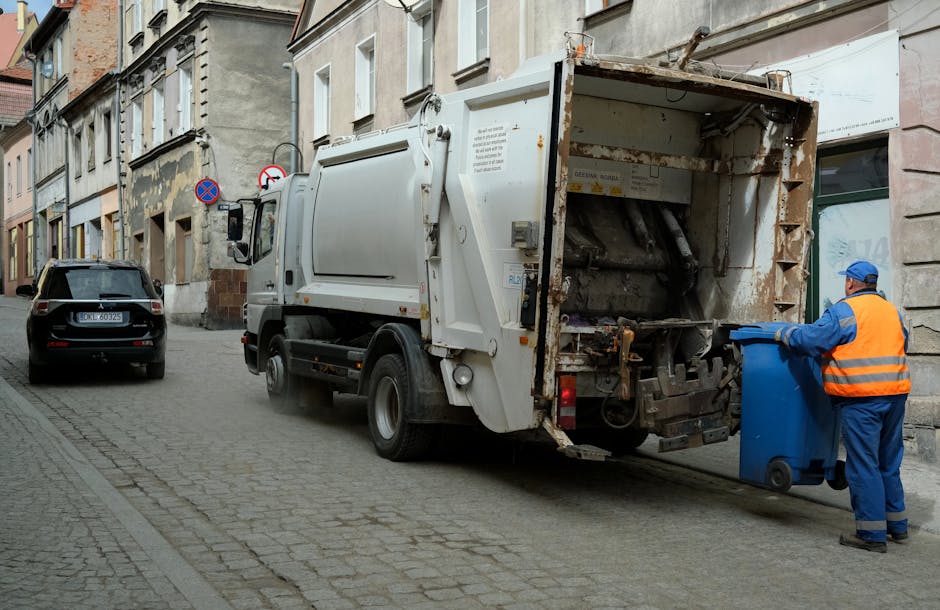
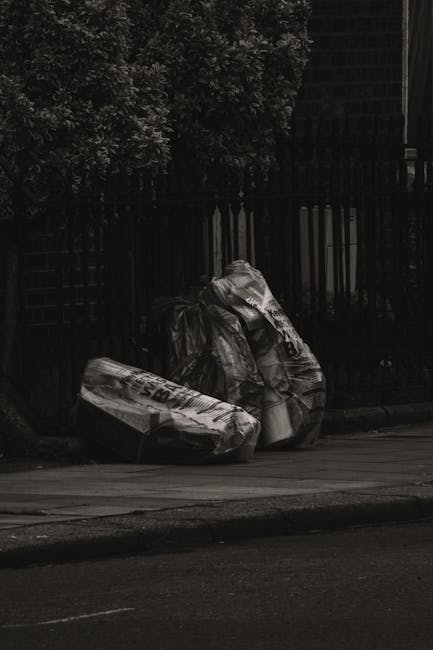
Jubilee Park bulk rubbish pickup tips for homeowners
If you are trying to clear a sofa, mattress, broken wardrobe, old fencing, or a full garage's worth of clutter, Jubilee Park bulk rubbish pickup tips for homeowners can save you time, money, and a lot of hassle. Bulk waste looks simple from the outside. In reality, it usually turns into a small project with awkward lifting, sorting, and a few decisions you would rather not make on a rainy Tuesday morning.
This guide breaks the process down properly. You will learn how bulk rubbish pickup works, what to prepare before collection day, how to avoid common mistakes, and when a professional clearance service may be the cleaner, safer choice. We will also cover practical compliance points, disposal options, and a realistic checklist you can use straight away. No fluff. Just the kind of advice that helps a homeowner get the job done without the usual faff.
For readers comparing services or checking what happens after collection, it can also help to look at a company's recycling and sustainability approach and its pricing and quotes information before committing. A bit of homework up front usually pays off later.
Table of Contents
- Why Jubilee Park bulk rubbish pickup tips for homeowners Matters
- How Jubilee Park bulk rubbish pickup tips for homeowners Works
- Key Benefits and Practical Advantages
- Who This Is For and When It Makes Sense
- Step-by-Step Guidance
- Expert Tips for Better Results
- Common Mistakes to Avoid
- Tools, Resources and Recommendations
- Law, Compliance, Standards, or Best Practice
- Options, Methods, or Comparison Table
- Case Study or Real-World Example
- Practical Checklist
- Conclusion
- Frequently Asked Questions
Why Jubilee Park bulk rubbish pickup tips for homeowners Matters
Bulk rubbish is different from your weekly bin. It is bigger, heavier, and usually more awkward than you expect. Homeowners in Jubilee Park often run into the same problem: the waste has built up gradually, then suddenly the spare room, shed, loft, or front path is full of things that cannot simply be left out with everyday refuse.
Good bulk rubbish pickup tips matter because the wrong approach can create avoidable costs and delays. You might end up making multiple trips, sorting the wrong items into the wrong pile, or leaving bulky waste where it blocks access for neighbours, deliveries, or your own vehicle. In a dense residential setting, that can be frustrating very quickly.
There is also the practical side. Old furniture can be sharp, dusty, and surprisingly heavy. Broken appliances may leak residue. Mattresses can be awkward to move safely, and garden waste often turns into a slippery, muddy mess. A thoughtful pickup plan reduces strain and makes the whole job feel manageable rather than vaguely miserable.
And yes, that difference matters. If you have ever spent twenty minutes wrestling a wardrobe through a doorway only to discover it needs to be dismantled anyway, you will know what I mean.
Expert summary: the best bulk rubbish pickup is not just about removing waste; it is about sorting items correctly, protecting your home and access routes, and choosing the most efficient disposal method for the volume you actually have.
How Jubilee Park bulk rubbish pickup tips for homeowners Works
Bulk rubbish pickup for homeowners usually follows a straightforward pattern, though the details vary depending on whether you use a council-style collection, a private clearance team, or your own transport to a disposal site. The main thing is to know what you have, how much of it there is, and whether it needs special handling.
Most jobs start with a quick assessment. That might be informal, as in you walking around with a notebook or phone photo and making a pile list. Or it may be part of a quote process if you are using a professional service. Items are then grouped by type: furniture, household junk, garden waste, appliances, recyclable materials, and anything hazardous or restricted.
From there, collection is scheduled. On the day, the waste is moved out of the property, loaded safely, and taken for sorting, reuse, recycling, or disposal. This is where reputable operators make a real difference. They do not just move things from A to B; they should also separate reusable and recyclable material where possible. If you want to understand that side better, the company's about us page and sustainability information can help set expectations.
For homeowners, the job works best when you prepare the waste before collection rather than during it. A few simple choices made early save a surprising amount of effort later. Sometimes the real win is not speed, it is not having to touch the same heavy object three times.
What counts as bulk rubbish?
Bulk rubbish usually means items too large for standard household bins or normal kerbside waste. That often includes wardrobes, sofas, beds, tables, white goods, exercise equipment, carpets, fence panels, and bagged clear-out waste that has accumulated into a larger load.
Some items need special care. Paint tins, chemicals, gas canisters, fridges, freezers, and electrical equipment may have extra handling requirements. If you are unsure, do not guess. A quick check with the service provider is safer than discovering the issue on collection day.
Key Benefits and Practical Advantages
Done well, bulk rubbish pickup is one of those jobs that gives back more than expected. The space feels bigger immediately. Access becomes easier. And you stop mentally stepping around a pile of stuff every time you walk through the room. It sounds small, but it is not really small at all.
- Faster clearance: you clear multiple items in one organised effort rather than stretching the task over weeks.
- Reduced lifting risk: planning the move means less dragging, fewer awkward turns, and fewer chances of injury.
- Better sorting: recyclables, reusables, and disposal items can be separated more accurately.
- Cleaner home access: hallways, driveways, staircases, and front gardens stay usable.
- Less stress: a clear plan takes the sting out of a job most people would rather avoid.
There is also a financial benefit, though it depends on the size and complexity of the load. If you prepare properly, you may reduce the number of labour hours or vehicle space needed. If you do not, you may pay for inefficiency. That part is boring, but true.
Another practical advantage is neighbour goodwill. In built-up residential areas, nobody enjoys bins overflowing or a sofa sat on the pavement for three days. A clean, timed pickup keeps the street looking normal. Which, let's face it, is what everyone wants.
Who This Is For and When It Makes Sense
This topic is most useful for homeowners who are clearing out after a renovation, a move, a downsizing project, or a long-overdue spring clean. It also suits anyone with bulky garden debris, broken furniture, or old household items that no longer have a place in the home.
It makes sense when:
- you have more waste than fits in routine refuse collections;
- items are too large to move safely without planning;
- you want to reduce the number of trips to a disposal site;
- you need a one-off clearance rather than a recurring waste service;
- you want a clearer audit trail for what was taken away and how it was handled.
It may not be the best option if you only have one or two manageable items and already have transport, lifting help, and time to spare. In that case, a simpler disposal route could be enough. But for many households, especially after a big tidy-up, the convenience of organised bulk pickup wins out quickly.
A common real-world scenario: a homeowner starts with "just the shed" and ends up with the shed, the broken lawnmower, three chairs, two shelving units, and a box of tangled cables that somehow multiply when left alone. That is the moment bulk pickup stops being optional and becomes the sensible move.
Step-by-Step Guidance
Here is a practical way to tackle bulk rubbish pickup without overcomplicating it.
1. Walk through the property and make a full list
Start by identifying everything that needs to go. Be honest with yourself here. If an item is probably going, it probably is going. Make notes on size, material, condition, and whether it can be dismantled.
A quick photo record helps too. Even a few phone pictures can make quotation and planning much easier.
2. Separate items by category
Group the load into broad categories such as furniture, electricals, garden waste, mixed junk, and fragile or hazardous items. This helps you estimate volume and keeps the collection process clean and efficient.
At this stage, decide what could be reused, sold, donated, or repaired. A chair with a loose leg may not be rubbish at all. Truth be told, plenty of clear-outs reveal one person's "junk" is another's "maybe with a bit of work."
3. Check access routes
Measure stairwells, doorways, side passages, and any tight corners. If an item will not fit through a hallway, dismantle it in advance if safe to do so. Remove small obstacles like plant pots, shoes, and bins from the path.
This simple step prevents the classic clear-out drama: the item that looked fine in the lounge becoming a stubborn giant at the front door.
4. Protect floors and walls
Lay down coverings where heavy items will be moved. Cardboard, old sheets, or protective runners can help prevent scratches and scuffs. If the weather is wet, think about mud on shoes and trolleys too. A damp hallway in the evening light is not ideal, frankly.
5. Confirm what cannot be taken
Ask the provider or check your chosen disposal route for excluded items. Some materials need separate handling, and trying to hide them inside a general load can cause delays or refusal on the day.
6. Prepare items for collection
Drain, empty, and secure where needed. Remove loose drawers, tape shut doors, and bag small pieces. Keep screws, remote controls, cables, and fittings together in one labelled bag if they are still useful.
7. Schedule the pickup at a sensible time
If possible, choose a time when parking, access, and neighbours are least likely to be an issue. Morning collections can work well because everyone is fresh and the route is clear. But if your street gets busy early, a later slot might be smoother.
8. Do a final sweep before the team arrives
Look around one more time. Most people find at least one extra item they forgot about. There is always one. Usually it is behind a bike, under a table, or leaning in a corner pretending not to be part of the problem.
Expert Tips for Better Results
A few small adjustments can make bulk rubbish pickup much easier. These are the practical habits that save time and reduce hassle.
- Group by weight as well as type. Heavy items should be closest to the exit if safe. It reduces repeated carrying.
- Break items down where possible. Flat-pack furniture, table legs, and headboards often become easier to move once dismantled.
- Keep recyclable material separate. Cardboard, clean wood, metals, and certain electrical items may be easier to sort if they are not mixed into one giant pile.
- Use labels for mixed bags. A simple "textiles," "electronics," or "fixings" label avoids confusion later.
- Photo the load before removal. Helpful for record-keeping and for understanding what actually left the property.
- Think about parking before the van arrives. It sounds basic, but it is one of the most common causes of delay.
If you are using a company for the job, a few trust signals are worth checking. Look for clear information on insurance and safety, and make sure their health and safety policy is easy to find. That usually says a lot about how carefully they work.
One more thing: do not leave everything to the last minute. Bulk clearance tends to feel ten times easier once the first box is moved. Momentum matters. Weirdly enough, clearing rubbish can be a bit like cleaning the kitchen sink - once you begin, the rest looks less dreadful.
Common Mistakes to Avoid
Most bulk rubbish problems are avoidable. They happen because the job was rushed, underplanned, or treated as simpler than it was. That happens all the time.
- Underestimating volume: people often guess low and end up with more waste than expected.
- Mixing restricted items into general waste: this can create safety issues or collection refusal.
- Leaving items blocked in hard-to-reach spots: if the team cannot get to them easily, the job takes longer.
- Forgetting dismantling tools: if a bed frame needs to come apart, you do not want to discover the missing spanner mid-job.
- Not checking the waste route: some items can be reused or recycled, but only if they are sorted in time.
- Ignoring neighbour and parking considerations: a blocked shared entrance or road can turn a simple job into a complaint.
Another common issue is assuming the cheapest option will always be the best. Sometimes it is. Often it is not. If a service is vague about what happens to the waste, what they can lift, or how the pricing works, the "cheap" price can get less appealing fast. For a clearer view of what to expect, compare the details on pricing and quotes before you book.
Tools, Resources and Recommendations
You do not need a huge kit to organise bulk rubbish pickup well, but a few simple tools make the process smoother.
- Work gloves: useful for grip and protecting hands from splinters, dust, and rough edges.
- Tape, twine, or straps: helpful for securing loose parts.
- Sack truck or trolley: ideal for heavy boxes or smaller furniture, if space allows.
- Screwdriver set and Allen keys: handy for dismantling furniture.
- Marker pens and labels: useful for sorting and identifying bags or parts.
- Protective sheets or cardboard: good for floor protection during the move.
- Phone camera: useful for planning, quoting, and keeping a record.
For householders who want support beyond the lift itself, a professional house clearance company can be a practical choice. If you are weighing up whether to proceed, the best next step is often a no-pressure discussion through the contact page. That way you can explain the load, the access, and any awkward bits before the day arrives.
If you are curious about how the business handles service standards and expectations, the terms and conditions and complaints procedure are also useful reading. Not glamorous, perhaps, but absolutely worth a glance.
Law, Compliance, Standards, or Best Practice
Bulk rubbish pickup is not just a practical job; it also sits within a wider waste-handling framework. Homeowners do not need to become experts in waste law, but a few best-practice principles are worth respecting.
First, only use a waste carrier or clearance provider that can demonstrate proper handling of waste. In the UK, legitimate waste operators are expected to follow relevant environmental and duty-of-care requirements. If you hand waste to the wrong person and it is fly-tipped later, the original householder can end up with questions to answer. That is the part people rarely think about until it is too late.
Second, separate hazardous or specialist items where needed. Paints, solvents, oils, gas canisters, batteries, and some electrical waste can require different treatment from general furniture or garden waste. If you are unsure whether an item is restricted, ask before pickup rather than guessing.
Third, use safe manual handling. Heavy lifting should be planned, not improvised. Bend your knees, keep a steady grip, and avoid twisting under load. If something is too big or awkward, split the task. There is no prize for trying to carry a wardrobe like a superhero. Honestly, your back will not thank you.
Finally, if you are hiring a company, choose one that takes safety, insurance, and environmental responsibility seriously. The supporting pages on health and safety, insurance and safety, and recycling and sustainability are useful signs of a well-run operation.
Options, Methods, or Comparison Table
There is more than one way to clear bulky waste from a home. The right choice depends on volume, access, time, and how much lifting you want to do yourself.
| Method | Best for | Advantages | Limitations |
|---|---|---|---|
| DIY disposal | Small amounts, easy access, own vehicle | Lower direct cost, full control | Time-consuming, heavy lifting, multiple trips |
| Council-style bulk collection | Defined bulky items, simple loads | Convenient for some households, straightforward booking | Limited flexibility, item restrictions, timing may be fixed |
| Private house clearance | Large or mixed loads, awkward access, urgent clear-outs | Fast, convenient, often includes lifting and sorting | Usually costs more than DIY, quality varies by provider |
| Donation or resale first | Reusable furniture or appliances in decent condition | Extends item life, may reduce waste volume | Not suitable for damaged or dirty items, takes coordination |
For many Jubilee Park homeowners, the best answer is a mix. A couple of reusable items may be separated for sale or donation, while the rest goes in one organised pickup. That hybrid approach is usually the sweet spot. Not too fussy, not too wasteful.
Case Study or Real-World Example
Here is a realistic example based on a typical homeowner scenario. A family in Jubilee Park is preparing a spare room for a new child and needs to remove an old wardrobe, a damaged bed base, several bags of mixed clutter, and a pile of broken shelving from the loft.
At first glance, it looks like a one-hour job. It is not. The wardrobe does not fit through the door in one piece, the loft boxes are dusty, and the bed base has metal fixings that need removing before lifting. So they pause, make a list, and separate the load into three parts: reusable bits, recyclable items, and general waste.
They protect the hallway with cardboard, clear the front path, and dismantle the wardrobe in advance. On collection day, the load is stacked so the heaviest pieces are nearest the exit. The result is simple: fewer trips, less strain, no scratched wall, and the room is ready by the afternoon.
That kind of outcome is normal when the job is planned properly. It is not magic. Just a few sensible decisions made before the lifting starts.
Practical Checklist
Use this checklist before your bulk rubbish pickup so nothing obvious gets missed.
- List every item you want removed.
- Separate furniture, electricals, garden waste, and mixed rubbish.
- Identify anything that may need special handling.
- Check doorways, stairs, and outdoor access.
- Measure large items if you think dismantling may be needed.
- Protect floors and walls along the moving route.
- Bag loose bits, screws, cables, and small fittings.
- Confirm parking or driveway access for the collection vehicle.
- Take photos if you are requesting a quote.
- Review pricing, insurance, and safety details before booking.
- Do one final sweep for missed items just before pickup.
Quick tip: if an item feels like it might become awkward later, deal with it now. Future-you will be grateful, even if current-you grumbles a little.
Conclusion
Bulk rubbish pickup does not need to be stressful. With the right planning, Jubilee Park homeowners can clear large items efficiently, keep the home safe, and avoid the usual last-minute scramble. The best results come from simple habits: sort early, check access, separate special items, and choose the disposal method that matches the actual load.
If you are dealing with a bigger clear-out, or you just want the job handled properly from start to finish, take a look at the company's service details and support pages. A good operator should be transparent, careful, and easy to speak to. And if you want a straightforward next step, use the contact form to explain what needs removing and how soon you need it gone.
Get a free quote today and see how much you can save.
In the end, clearing space is a practical job, but it also has a nice side effect: the home feels lighter. More breathing room. Less clutter. A bit more calm, which never hurts.
Frequently Asked Questions
What counts as bulk rubbish for a homeowner?
Bulk rubbish usually means large or awkward items that do not fit in normal bins, such as sofas, beds, wardrobes, mattresses, white goods, or big bags of mixed household waste.
Can I leave bulky items outside for pickup?
Sometimes, yes, but only if the collection arrangement allows it and the items do not block access or create a nuisance. It is usually better to confirm the exact placement in advance.
How do I know whether something needs special disposal?
If the item contains chemicals, gas, batteries, refrigerant, or electrical components, it may need separate treatment. When in doubt, ask before the pickup rather than assuming.
Is it better to dismantle furniture before collection?
Often, yes. Dismantling can make items easier to carry, safer to move, and less likely to get stuck in hallways or doorframes.
What should I do with reusable items?
Separate them first. Items in decent condition may be sold, donated, or kept, which reduces waste and can make the clearance cheaper or simpler.
How can I prepare my home for a bulky waste collection?
Clear access routes, protect floors, bag loose items, and check parking space for the vehicle. A little preparation makes the whole job smoother.
Are private clearance services better than DIY disposal?
They are usually better for larger loads, awkward access, or when you want lifting and removal handled in one visit. DIY can work for smaller jobs if you have the time and transport.
How do I avoid extra costs on collection day?
Be accurate about the amount and type of waste, mention access issues in advance, and avoid adding extra items at the last minute unless the provider agrees.
What if my bulky waste includes broken electronics?
Keep them separate and tell the collection provider. Electrical items are often handled differently from ordinary household junk.
Can bulk rubbish pickup include garden waste?
Yes, if the provider accepts it and it is presented in the right way. Wet soil, branches, hedge cuttings, and old garden furniture may be handled differently, so check first.
Why do some clear-outs take longer than expected?
Usually because of access problems, hidden items, or furniture that needs dismantling. It is very common for a "simple" clear-out to reveal a second pile halfway through.
What should I look for in a reliable clearance company?
Look for clear pricing, safety information, insurance details, and an understandable process. A reliable company should make the next steps easy to follow and not vague.