Guidelines for Beneficial Use of Wood Waste
Wood waste can be an incredibly valuable resource when managed and utilized properly. In this comprehensive guide, we will explore effective strategies and guidelines for the beneficial use of wood waste. Whether you're a business owner, a policy maker, or an environmentally-conscious individual, understanding how to leverage wood waste effectively can lead to significant environmental and economic benefits.
Understanding Wood Waste
Wood waste refers to any discarded or residual wood material resulting from manufacturing, construction, demolition, or even everyday household activities. It includes materials like sawdust, wood chips, and scrap wood. Often viewed merely as a disposal challenge, wood waste actually holds substantial potential for reuse and recycling.
Sources of Wood Waste
- Industrial wood processing
- Construction and demolition activities
- Packaging and transport industries
- Household waste

Importance of Reusing Wood Waste
The plight of environmental sustainability urges us to explore every viable option for recycling and reusing wood waste. Reducing landfill reliance, preserving natural resources, and minimizing carbon footprint are just a few of the compelling reasons to reutilize wood waste effectively.
Environmental Benefits
Recycling wood waste significantly reduces the carbon emissions associated with wood disposal methods like incineration and landfilling. Additionally, reusing wood waste diminishes the demand for raw timber, aiding in forest conservation and biodiversity preservation.
Economic Advantages
By converting wood waste into usable materials or energy, businesses can achieve notable cost savings. This concept not only cuts down on disposal costs but also promotes the creation of new products that may generate additional revenue streams.
Guidelines for the Effective Use of Wood Waste
To maximize the gains from wood waste, it is crucial to adopt systematic approaches and strategies. Let's explore some key guidelines:
1. Waste Assessment and Segregation
The initial step is to analyze and categorize the wood waste. Conduct a thorough assessment to differentiate between types of wood waste based on their potential for reuse. Segregation simplifies the next steps in processing and disposal.
2. Promote Material Recovery
Focus on recovering materials that can be recycled. This includes processes like chipping for mulch, shredding for particleboard, and repurposing lumber for new projects. Each of these recovery processes helps in converting what was once scrap into a valuable product.
3. Invest in Technology and Innovation
Technological advancements are playing a pivotal role in optimizing the use of wood waste. Investing in machinery and innovative methods such as bioenergy production can yield high utility from wood waste.
Bioenergy Production
Wood waste is a viable biomass resource for energy generation. Technologies such as gasification, pyrolysis, and direct combustion can convert wood waste into electrical power or biofuels.
4. Encourage Community and Industry Collaboration
Creating policies and incentives that promote cooperation between industries and communities will aid in effective wood waste management. Encourage businesses to share their success stories and collaborate on strategies for improved waste handling.
5. Adopt Circular Economy Practices
Integrating circular economy principles ensures that wood waste is continuously cycled through reuse, refurbishment, or recycling, thus keeping materials in use for as long as possible.
Sustainable Product Design
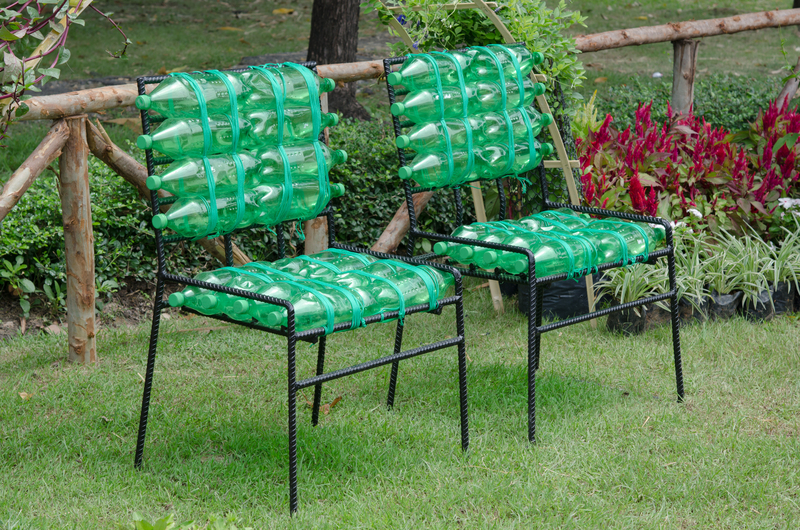
Design products that use reclaimed wood materials. Furniture, home decor, and even construction materials can be developed with a focus on sustainability, thereby encouraging market demand for reused wood.
Challenges and Solutions in Wood Waste Management
Wood waste management presents various challenges, but innovative solutions mitigate these obstacles.
Logistics and Transportation
The costs and logistics of transporting wood waste to processing facilities can be demanding. Collaborative business models and localized processing centers can reduce these challenges significantly.
Quality and Contamination
Ensuring the quality of recovered wood waste is paramount. Implement stringent quality controls and contamination checks to maintain high standards in recycled wood materials.
Conclusion: A Sustainable Path Forward
The beneficial use of wood waste encapsulates not only the smart disposal of materials but also an opportunity to contribute positively to the economy and the environment. By adhering to the guidelines outlined, stakeholders can effectively harness the potential of wood waste, fostering a more sustainable and resource-efficient future.
It's time to rethink waste. With cooperation between businesses, governments, and communities, we can turn the challenges presented by wood waste into opportunities for innovation and growth.
Embrace the principles, implement best practices, and lead the transformation towards sustainable wood waste management today.